Jaydan Moore
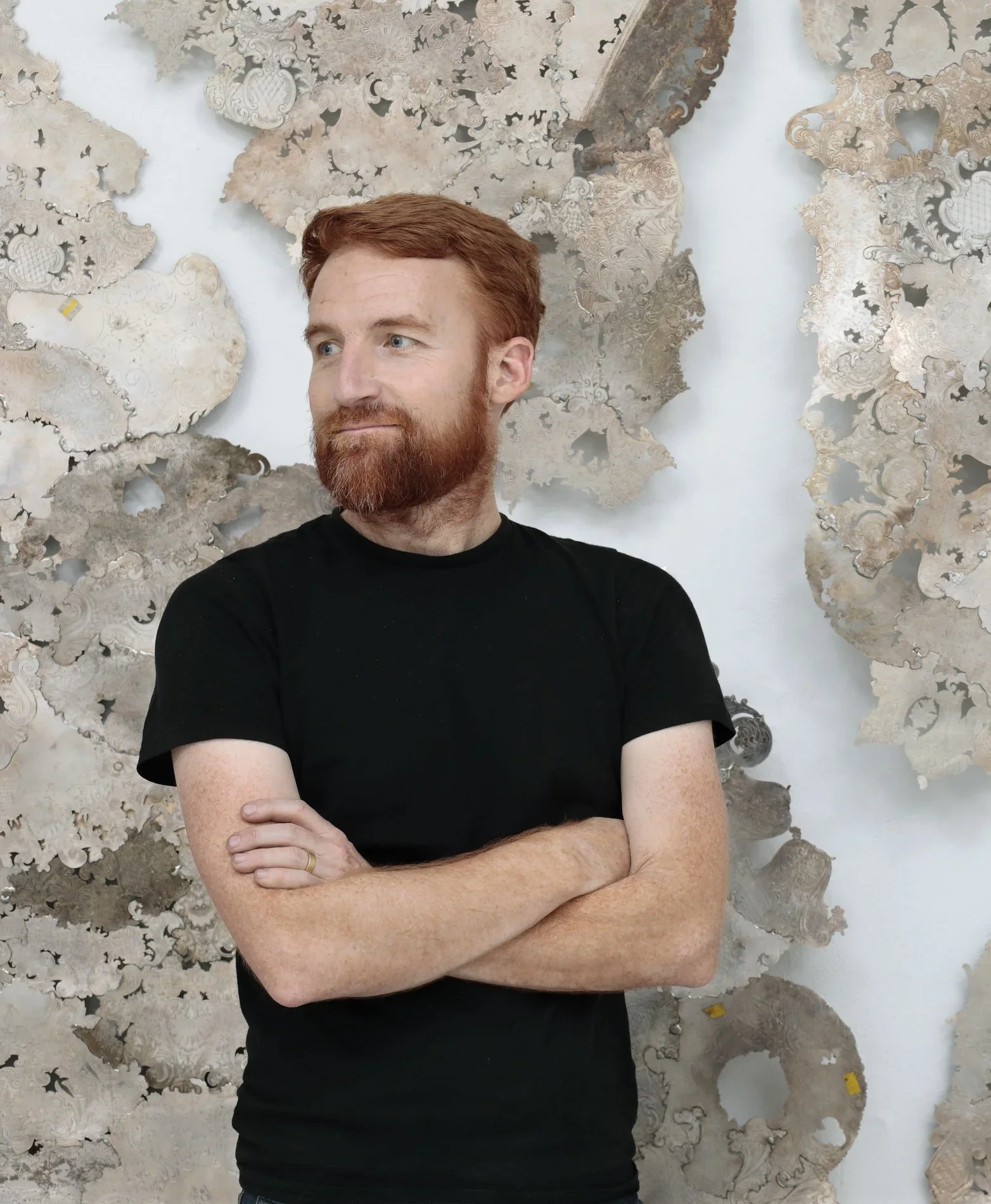
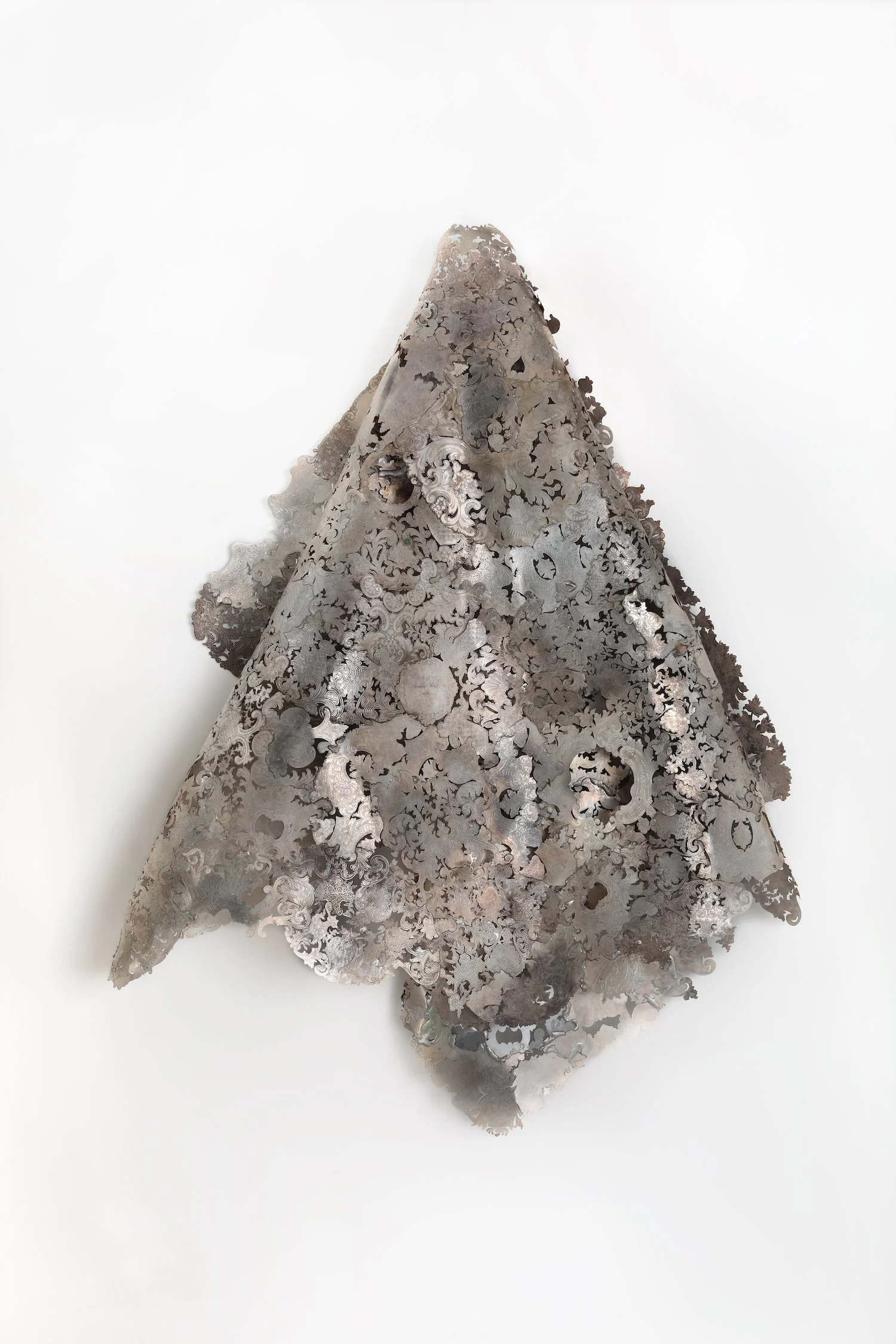
Born into a family of multi-generational tombstone makers, Jaydan Moore’s practice is rooted in the concepts of heritage and communal memory. His work focuses on the objects we use to commemorate significant life events, often deconstructing and reassembling found metal ware. Moore earned his MFA and MA from the University of Wisconsin-Madison. His work is held in prestigious permanent collections, including SFMOMA, the Carnegie Museum of Art, and the National Gallery of Victoria.
Jaydan Moore - Their/There
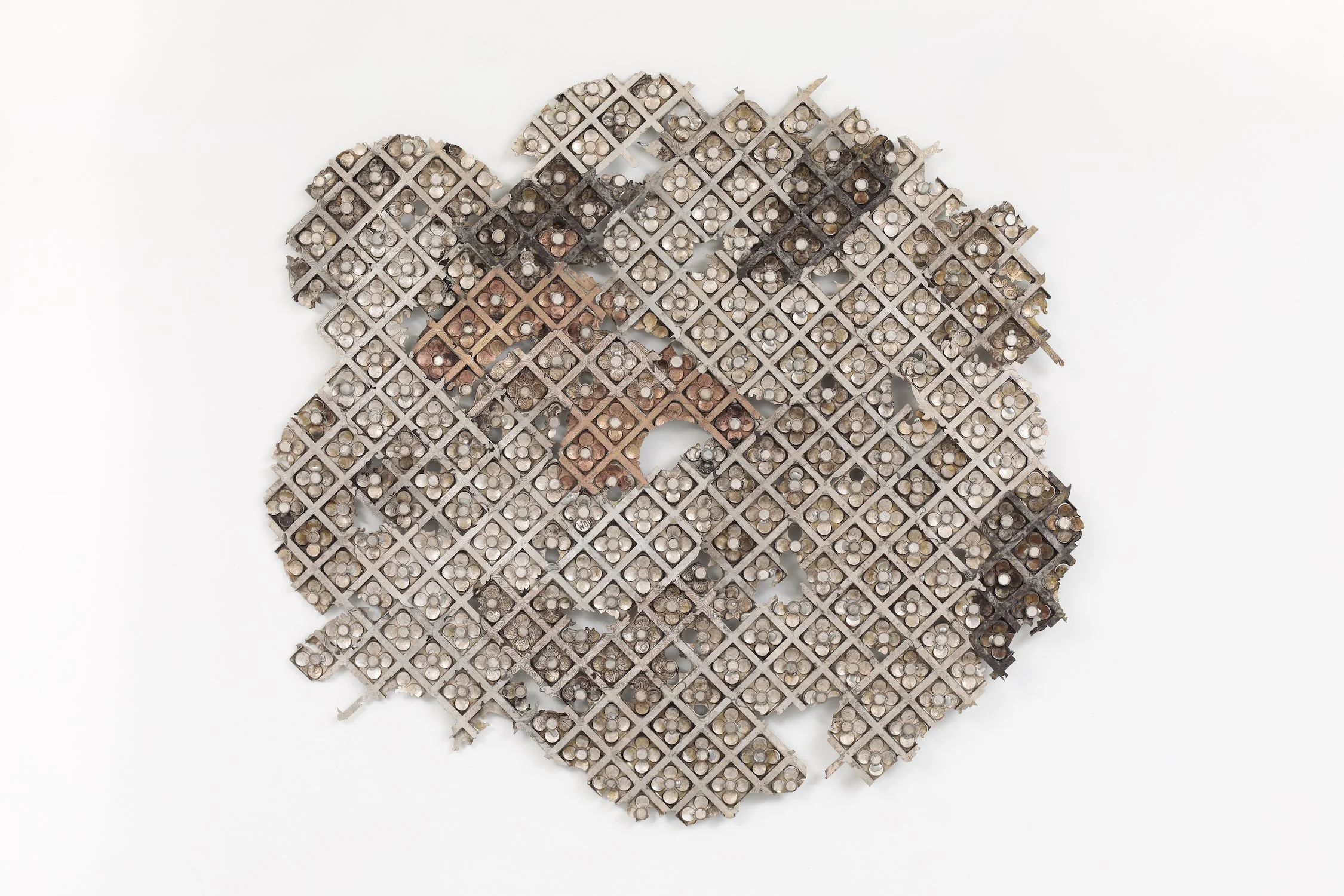
The connection between their and there lies in the nuanced relationship between possession and place. Their signifies ownership or association; what we claim as ours, while there points to location or existence indicating where something or someone resides. This distinction mirrors how we define ourselves through the things we possess and the places that shape our identities by creating an interplay between what we hold and where we belong.
In this lecture Jaydan Moore will look at these two words as a catalyst for how he views making artwork. He will speak to how he developed his ideas of using silver-plated platters as material through this lens. Jaydan will discuss how his views on the material and the concepts behind his making process have evolved through the many opportunities, exhibitions, and series of work connected to his practice.
Jennifer Younger

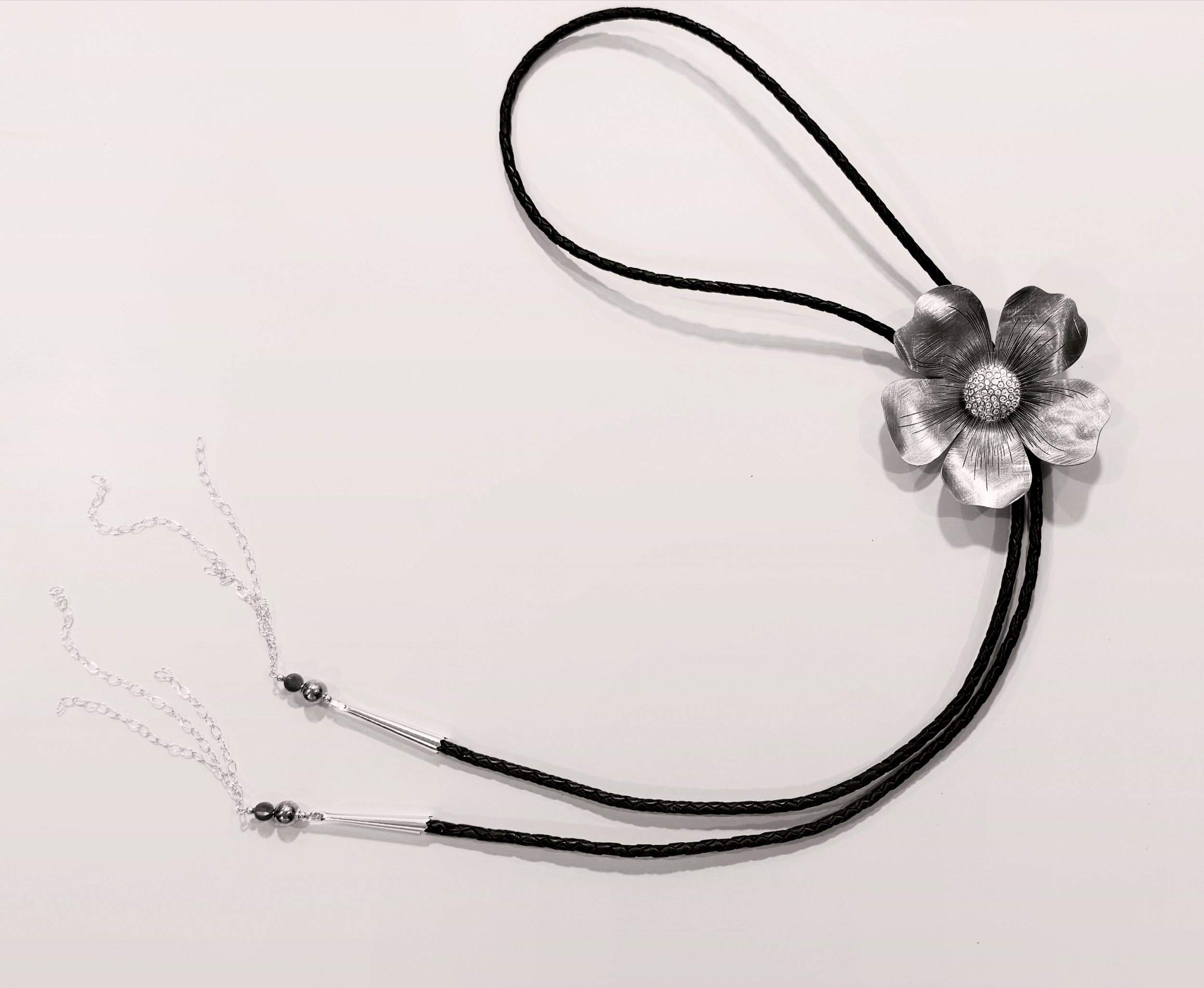
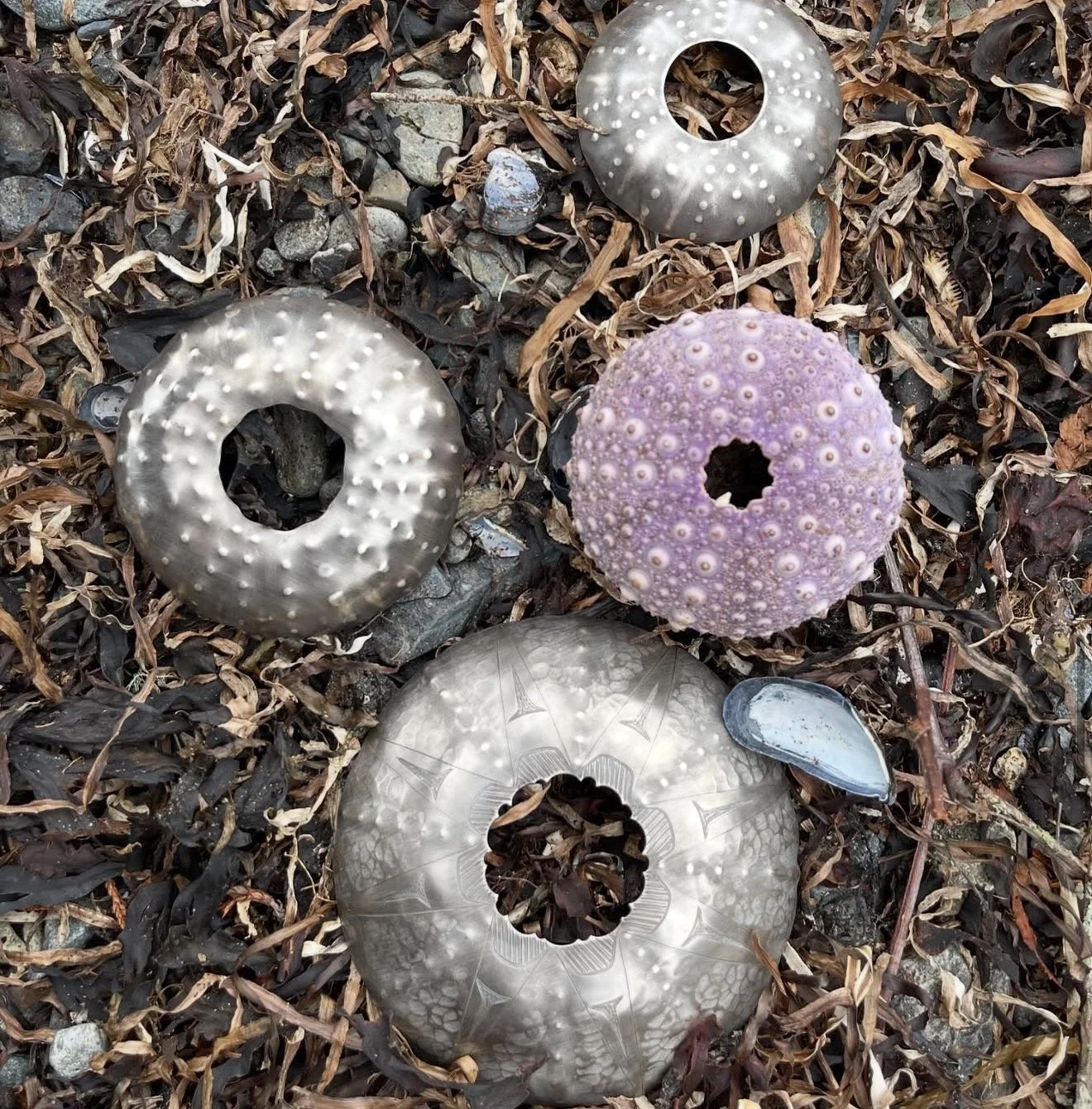
Based in Sitka, Alaska, Jennifer Younger is a Tlingit artist of the Eagle Kaagwaantaan clan. Her jewelry is a dialogue between traditional formline design, spruce root basketry patterns, and the raw texture of metal. Eschewing pre-made patterns, Younger freehand engraves every piece to ensure each is unique. Her excellence in the field is marked by a Rasmuson Foundation Fellowship and multiple "Best in Show" awards at the Celebration Northwest Coast Juried Art Show (2022, 2024). In 2024, she was named Jeweler of the Year at the Indigenous Fashion Arts Gala.
Jennifer Younger - My Why
In My Why, Jennifer Younger shares the personal journey behind her work as a contemporary Tlingit metal artist. Her story is rooted in family, culture, and a deep connection to the traditional art forms that shaped her. From working with the beauty and symbolism of spruce-root weaving to finding her own voice through metal, Jennifer reflects on how tradition continues to influence her work while allowing her to explore new forms of expression.
Through her process and experiences as an artist, she shares what inspires her, what keeps her creating, and why carrying her culture forward is at the heart of her work.
Maria Cristalli
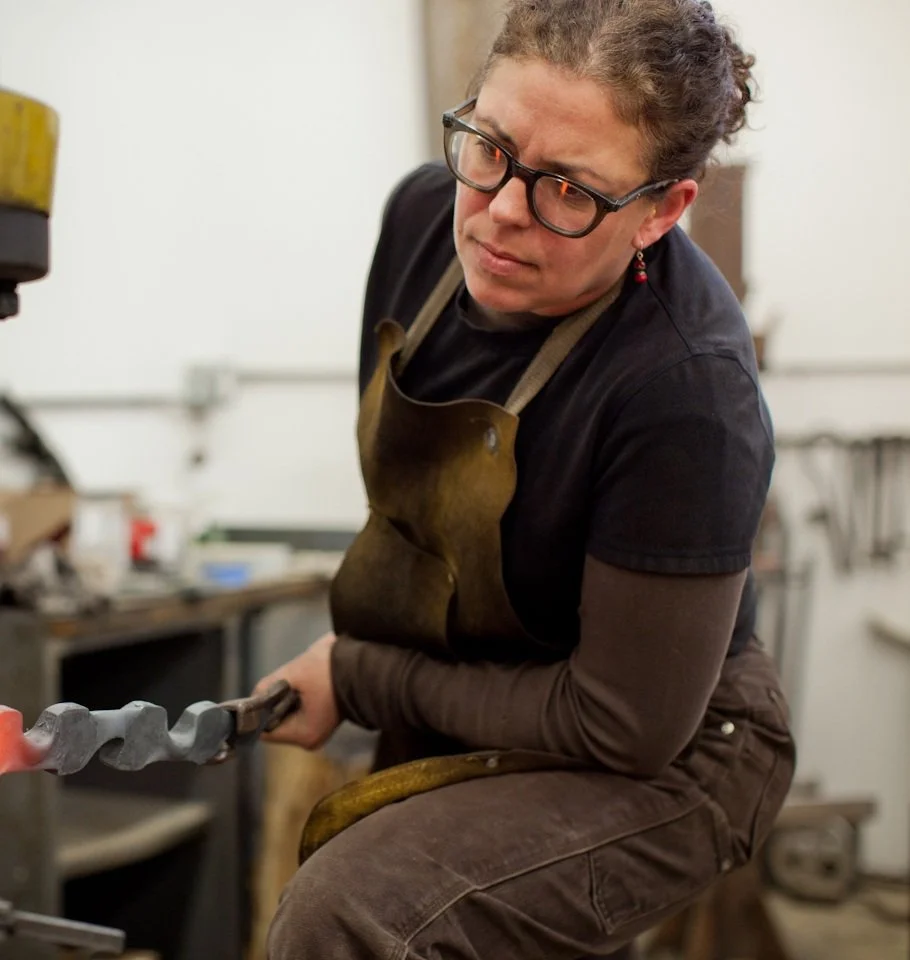
With over thirty years of experience, Maria Cristalli is a master blacksmith whose work bridges the gap between traditional craft and modern design. Acquiring her skills through rigorous apprenticeships, she now specializes in hand-forged architectural ironwork, furnishings, and sculpture. Her practice is defined by the application of centuries-old techniques to contemporary gates, railings, and hardware. Cristalli’s work has been exhibited at the National Ornamental Metal Museum and featured on HGTV’s Modern Masters.
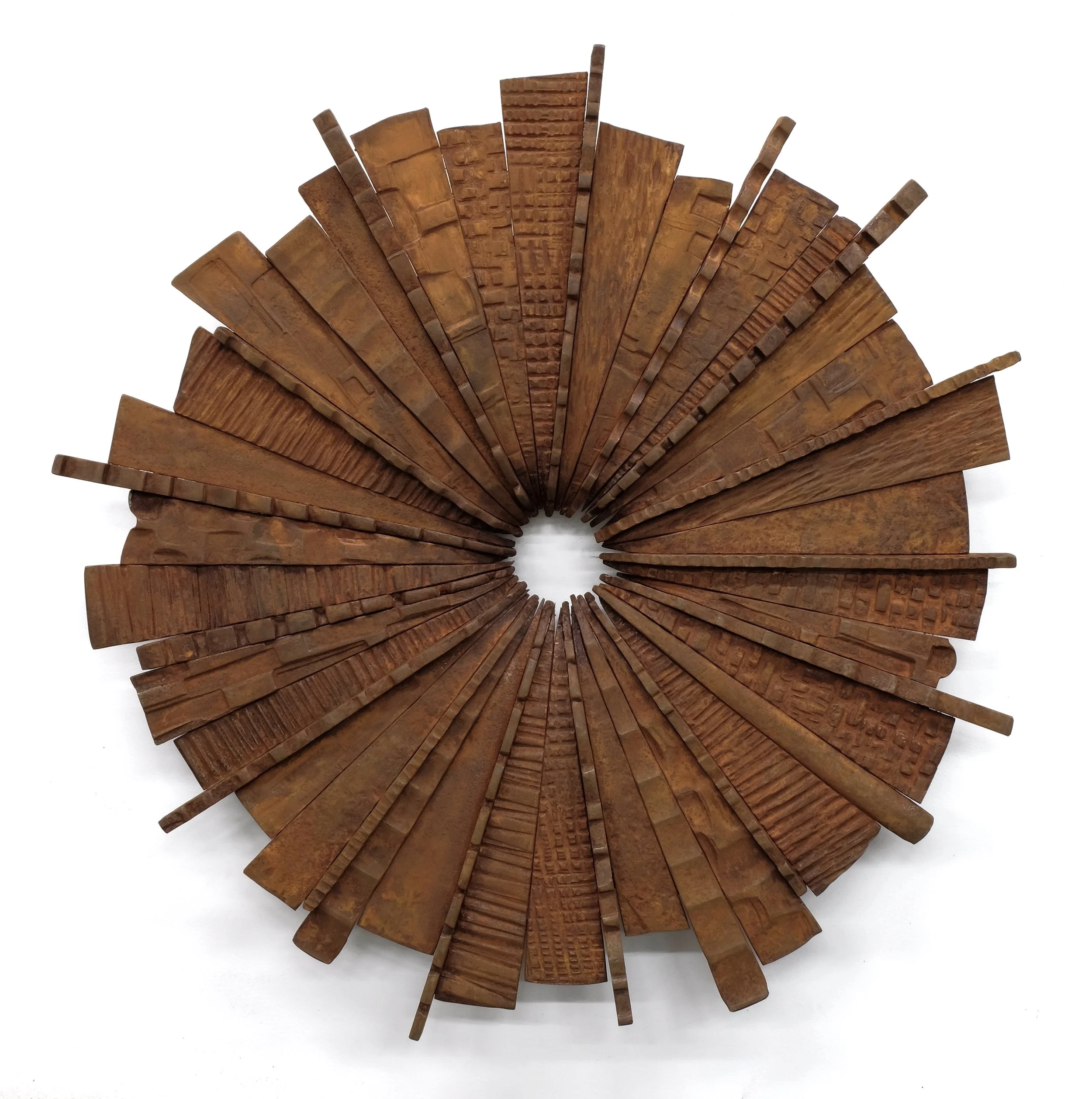
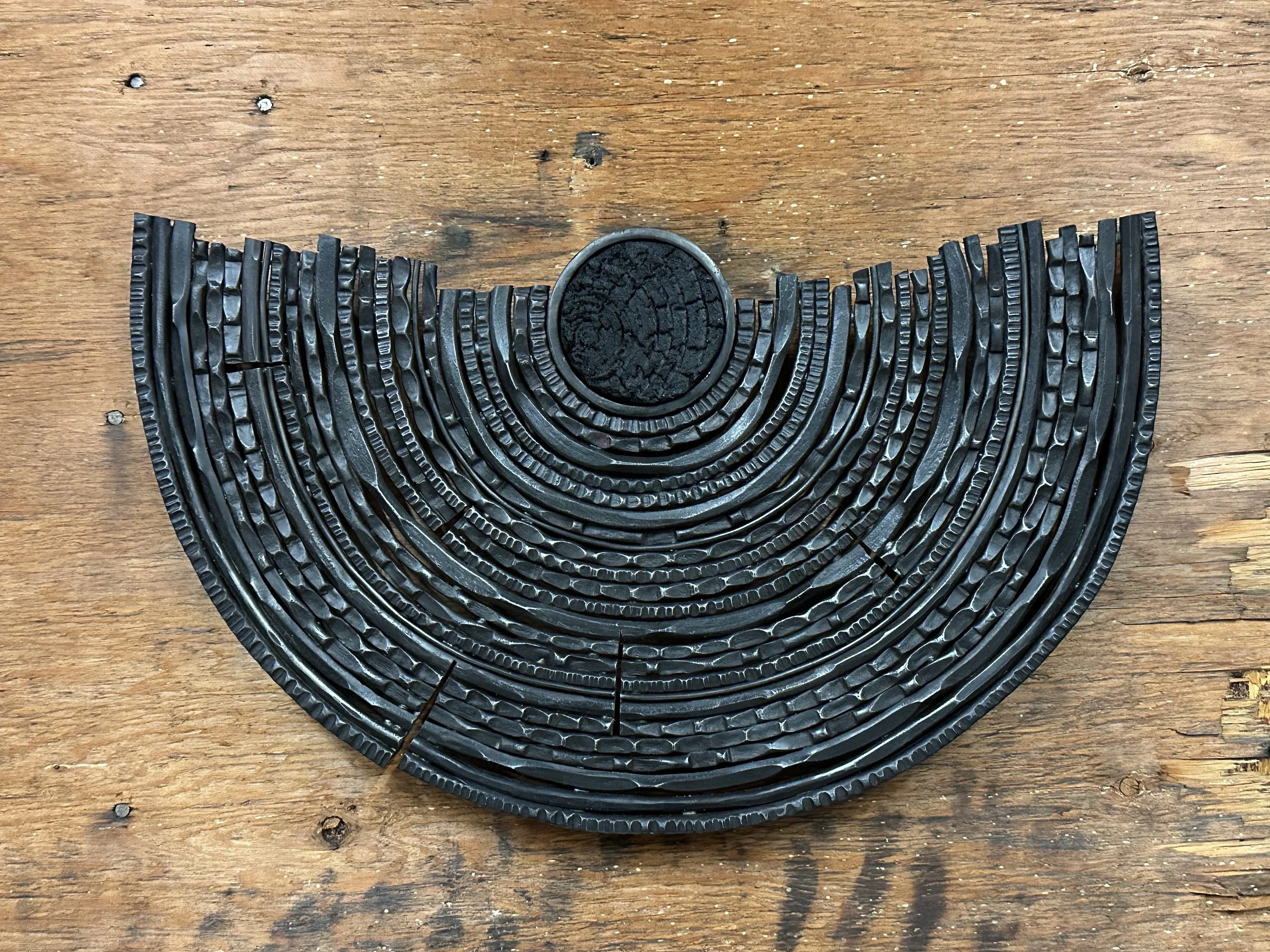
Maria Cristalli - Learning the Language of Steel
Maria Cristalli presents her 34 years as a blacksmith. It covers her early years learning the craft through the evolution of her artistic practice. Through photographs of her work, she'll share the experiences that have shaped her along the way, including her fascination with the transformative power of forged steel and the relationship between material, expression and imagination.
Ana María Jiménez
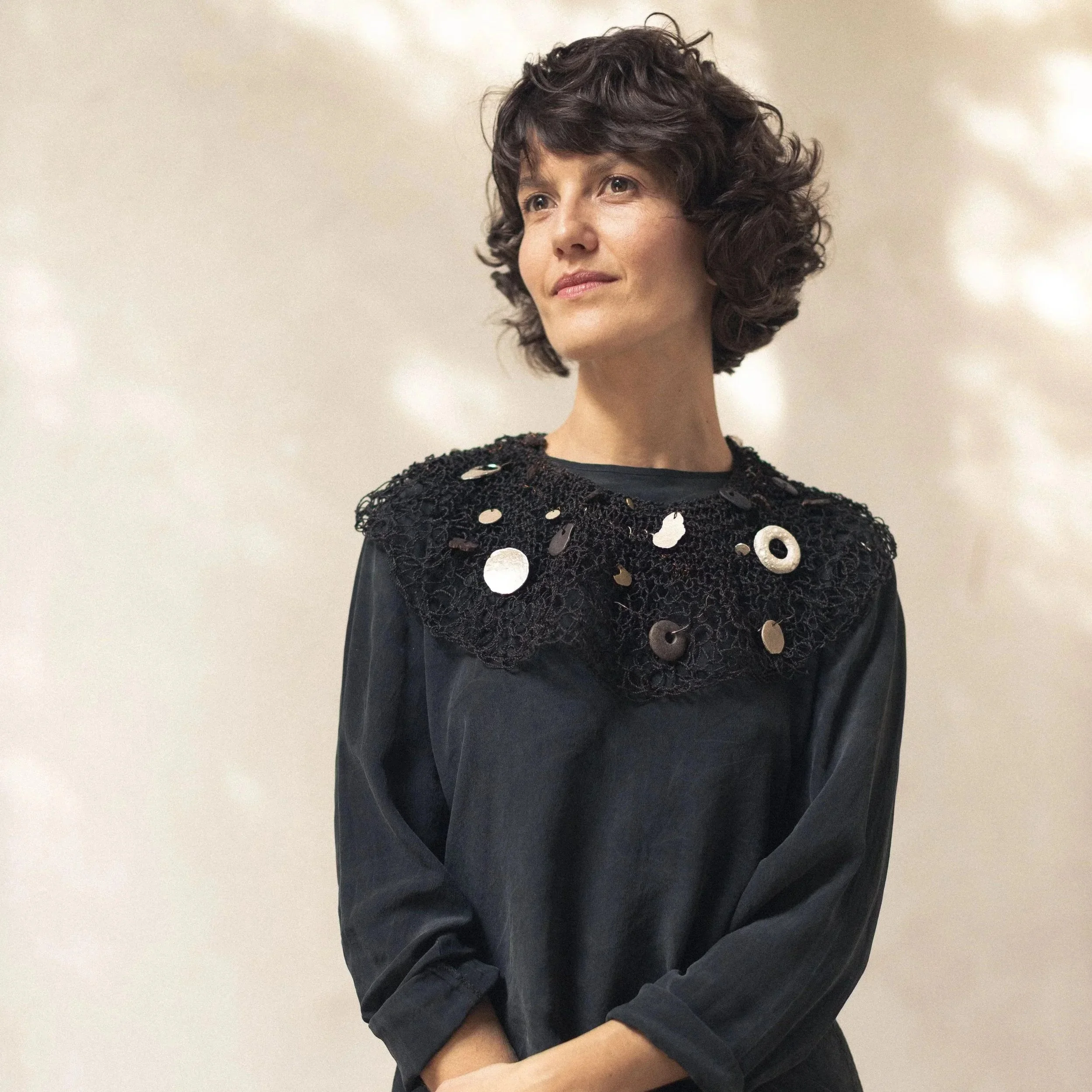
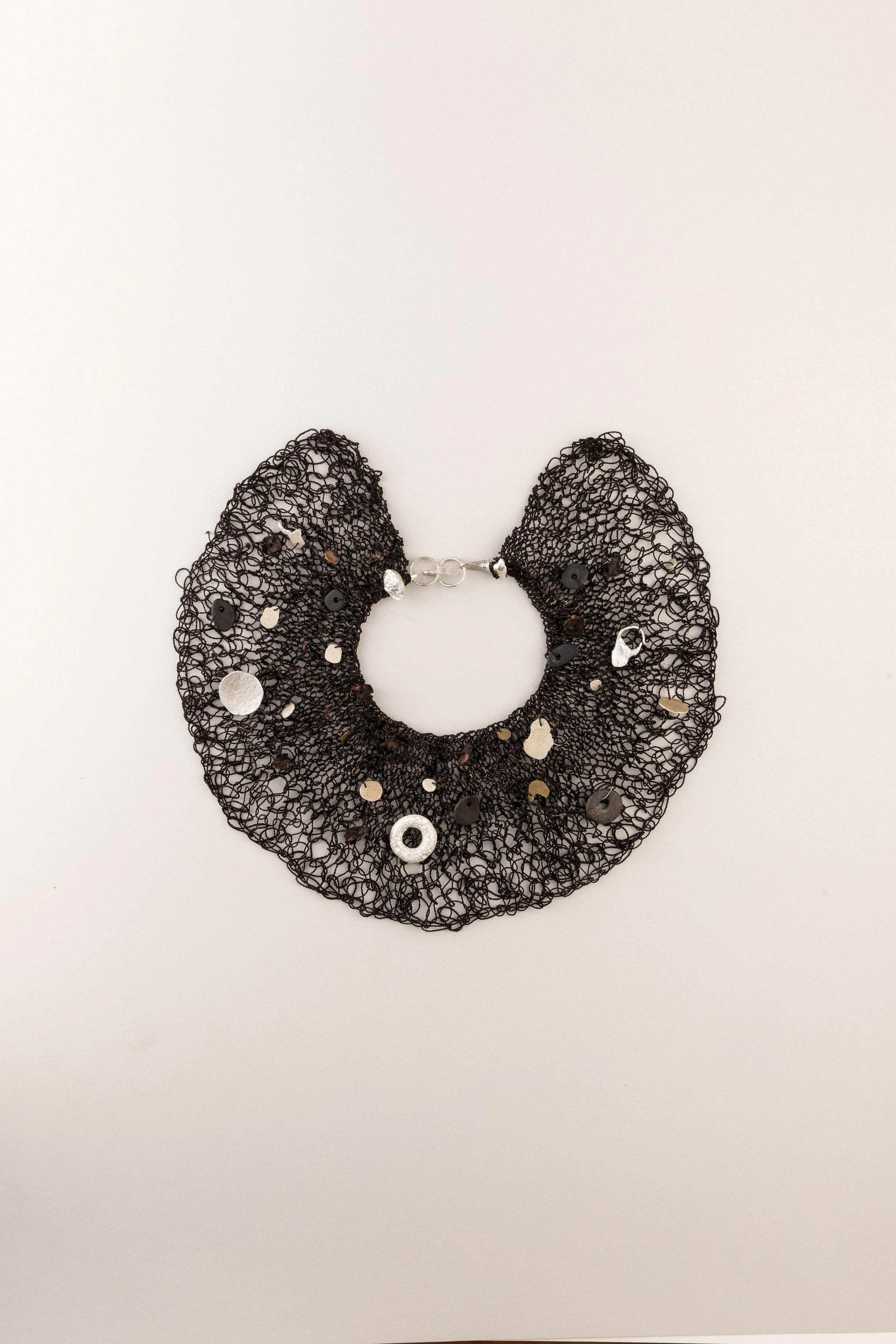
Ana María Jiménez is a multi-disciplinary artist, jeweler, and architect whose studio, Taller sin Borde, explores the intersection of spatial design and the human body. She holds an MA in Fine Arts and an undergraduate degree in Architecture from the Universidad Nacional de Colombia. Since 2009, she has expanded her technical jewelry expertise through international studies in the UK, Spain, and Colombia. Her work has been exhibited globally, including prominent shows in Portugal, Argentina, Brazil, and the United States.
Ana María Jiménez - Volver al Proceso: Reconstructing Pre-Hispanic Goldsmithing through Stone, Clay, and Fire
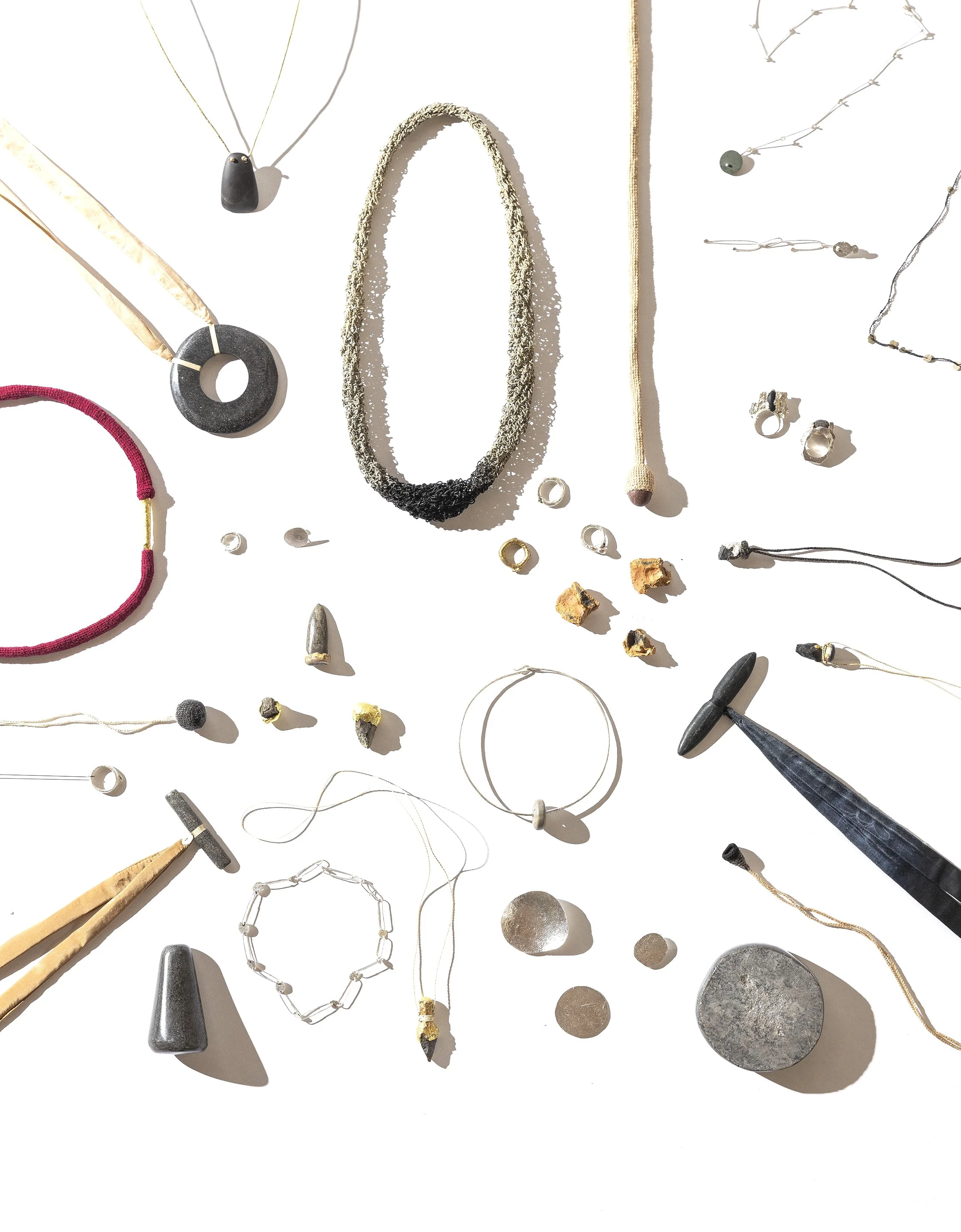
In this talk, Ana María Jiménez shares her ongoing research into the ancestral goldsmithing techniques of the Colombian territory. Moving beyond modern bench tools, she explores the reconstruction of ancient practices through her contemporary practice at Taller Sin Borde.
By hammering with stone tools, using beeswax and clay molds for lost-wax casting, and experimenting with ritual melting without a torch, the craft becomes an immersive experience that involves the entire body and intention. Ana María invites us to understand jewelry not merely as an object, but as a process of “working with thought”—a dialogue with matter where the jeweler becomes a channel between ancestral memory and the present. It is a journey toward the essential, seeking the balance lost in the modern world.
Demitra Thomloudis
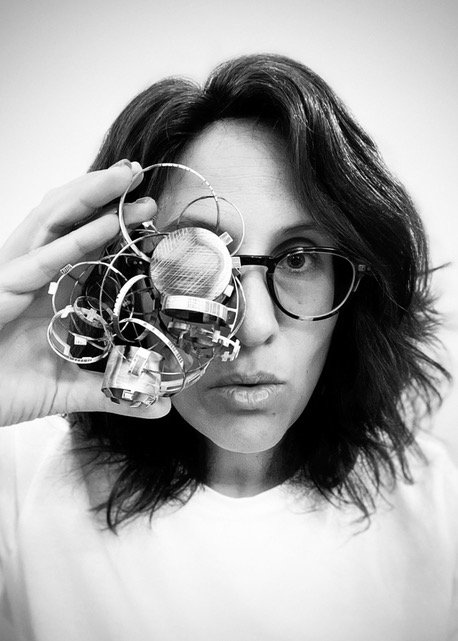
Demitra Thomloudis is an internationally recognized studio jeweler and Associate Professor at the University of Georgia. Her research-driven practice investigates how jewelry can express the relationship between a person and their environment. Her work has been showcased at the Museum of Arts and Design (New York) and the Benaki Museum (Athens). Thomloudis’ pieces are represented in the permanent collections of the Ilias Lalaounis Jewelry Museum and the Musée Espace Solidor.
Demitra Thomloudis- Site Report
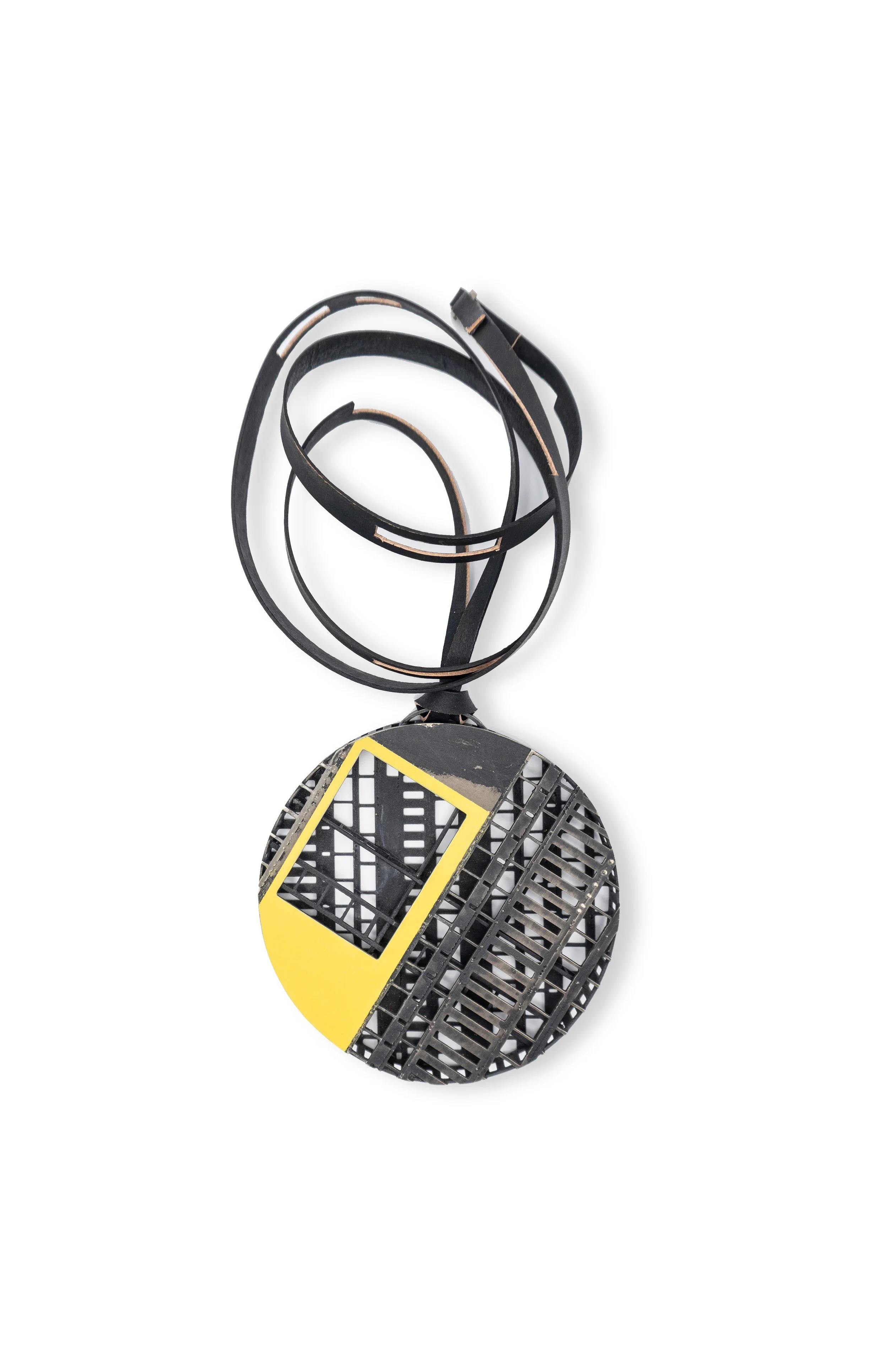
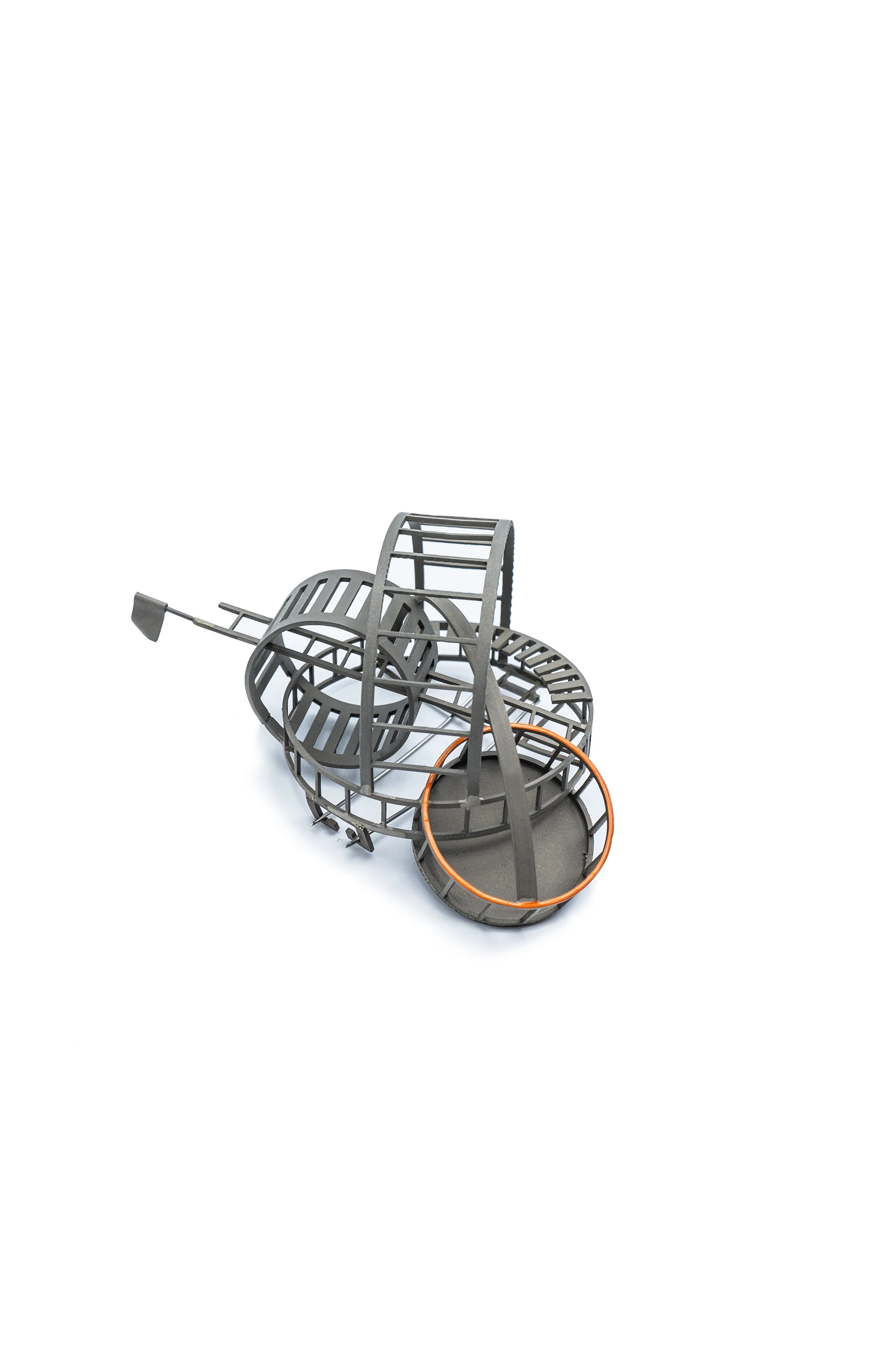
Drawing from architecture, landscapes, and site-specific locations encountered through travel, habitation, and observation, Demitra Thomloudis's jewelry practice explores the relationship between place, material, and the body. For more than fourteen years, her work has been driven by investigations of the built environment and the ways in which spaces shape experience, memory, and identity.
This lecture will examine how architectural forms, surfaces, and construction methods inform both the technical fabrication and visual language of her jewelry. Through a discussion of site-responsive projects, Thomloudis will trace how materials, structures, and formal elements are translated into wearable objects that function as signifiers of place. By inhabiting the body, these works transform architectural and spatial references into ornament, revealing how material and process contribute to meaning while forging connections between wearer, object, and environment.